

Our Target Markets
Built for industries with small, dispersed or low-concentration CO₂ sources, from cement, lime and natural gas processing to waste to energy, shipping and steel. For each, we have worked out the capture concept and the economics with end-users.
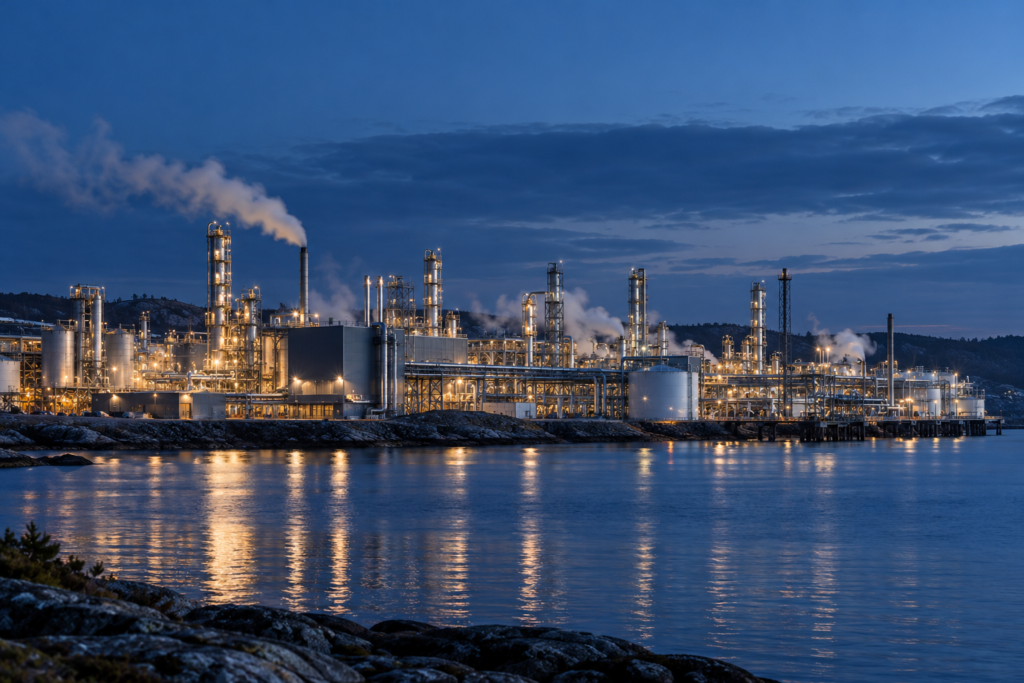
Chemicals & refineries
The challenge
Chemical production plants are complex, with multiple exhaust streams that add up to substantial emissions (>400,000 tpa). A central problem is enabling capture from the whole plant without considerable retrofit of the refinery itself, due to space constraints.
Our answer
Aqualung Carbon Capture’s decentralized solution allows capture at each individual stream without the need for a rebuild. Large US refinery companies such as Delek US, LSB, CE Chemicals and Chevron have expressed interest.
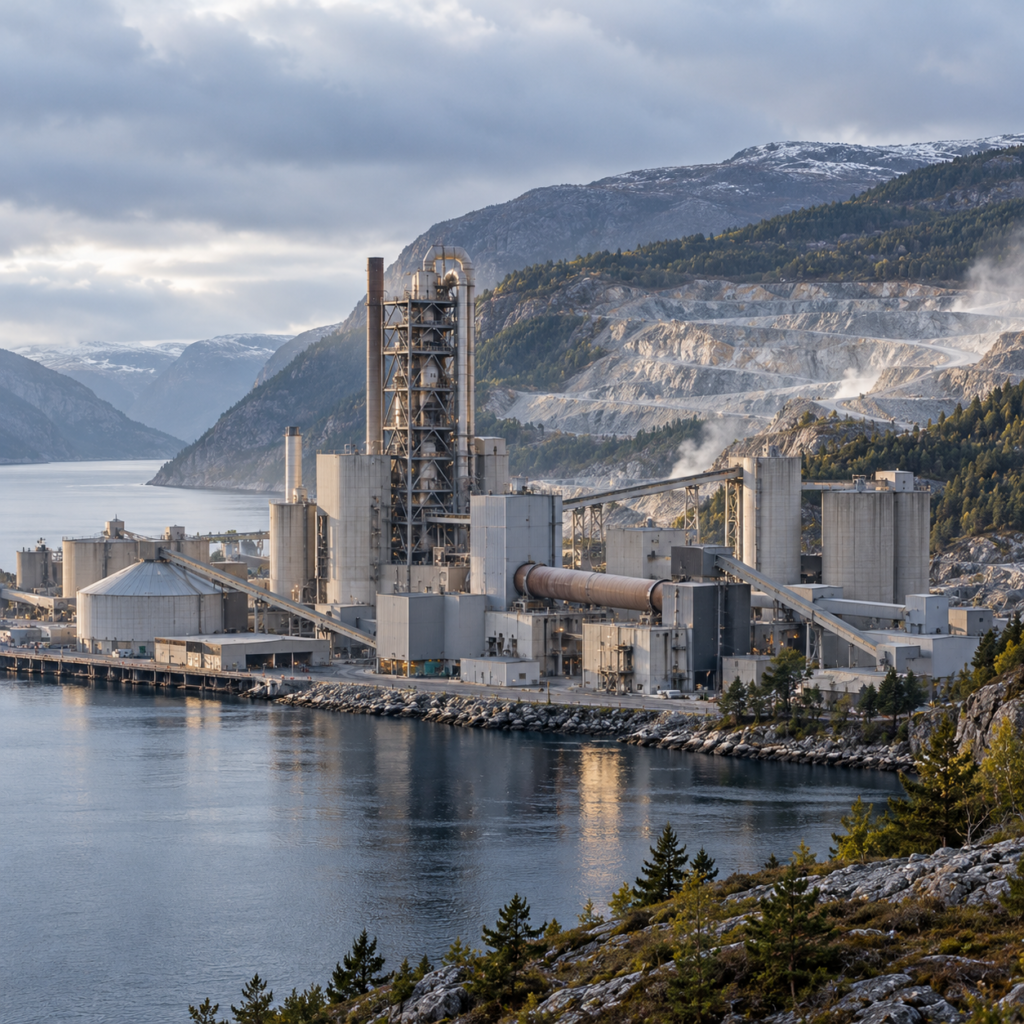
Cement & lime
The challenge
Cement and lime plants share similar characteristics but differ in scale. Both lack steam, making them particularly unsuitable for amine installations. The companies are also experts in dry chemicals, with large carbon capture plants outside their scope.
Our answer
Aqualung Carbon Capture can provide highly attractive economics for this segment based on upscaling our current fiber performance. Significant customer due diligence has led to Aqualung Carbon Capture being the preferred carbon capture solution for the cement & lime industry.
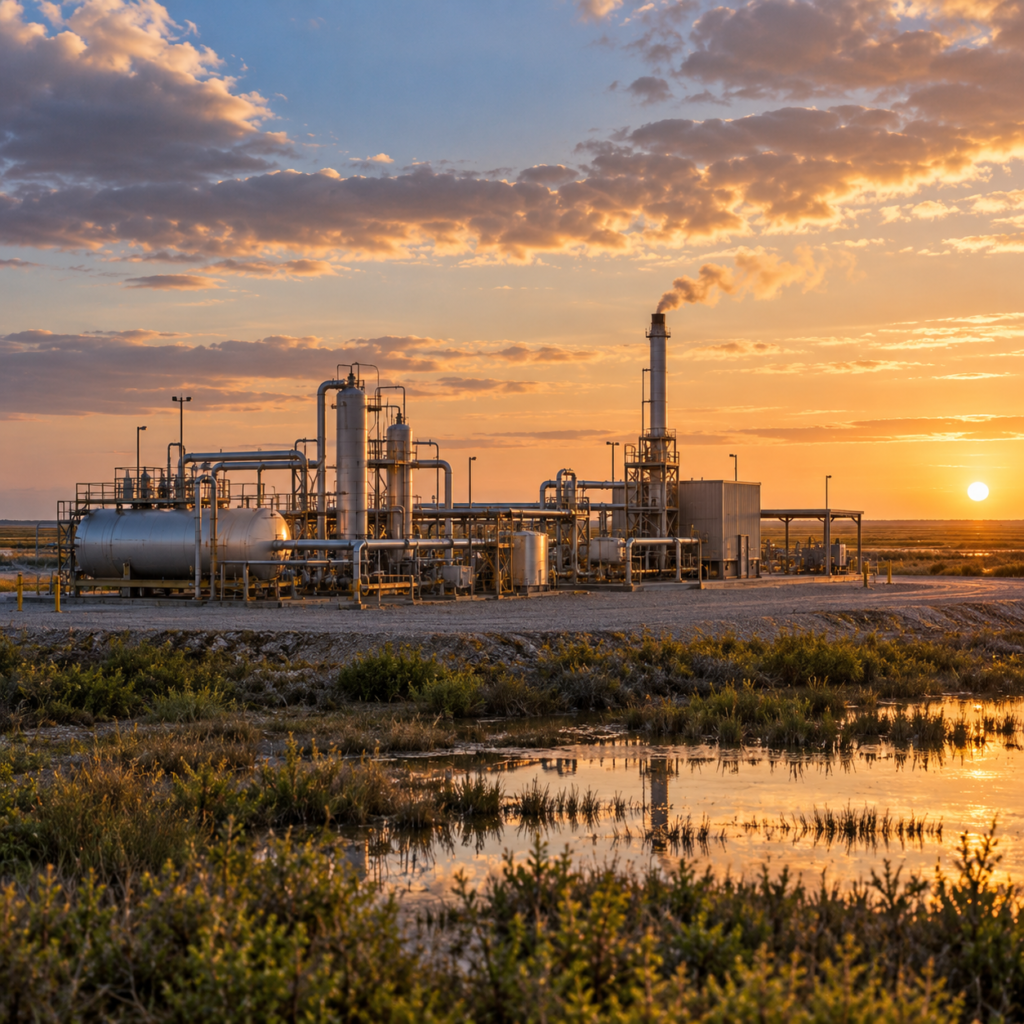
Natural gas processing
The challenge
Aqualung Carbon Capture is the only membrane technology that can capture CO₂ from low-concentration sources such as natural gas. Smaller-scale (>1 mtpa) gas turbines are one of the largest untapped markets for carbon capture, with high barriers to entry due to technological complexity.
Our answer
Aqualung Carbon Capture is developing a unique technical solution to achieve attractive economics from natural gas. The solution was tested at Standard Lithium.
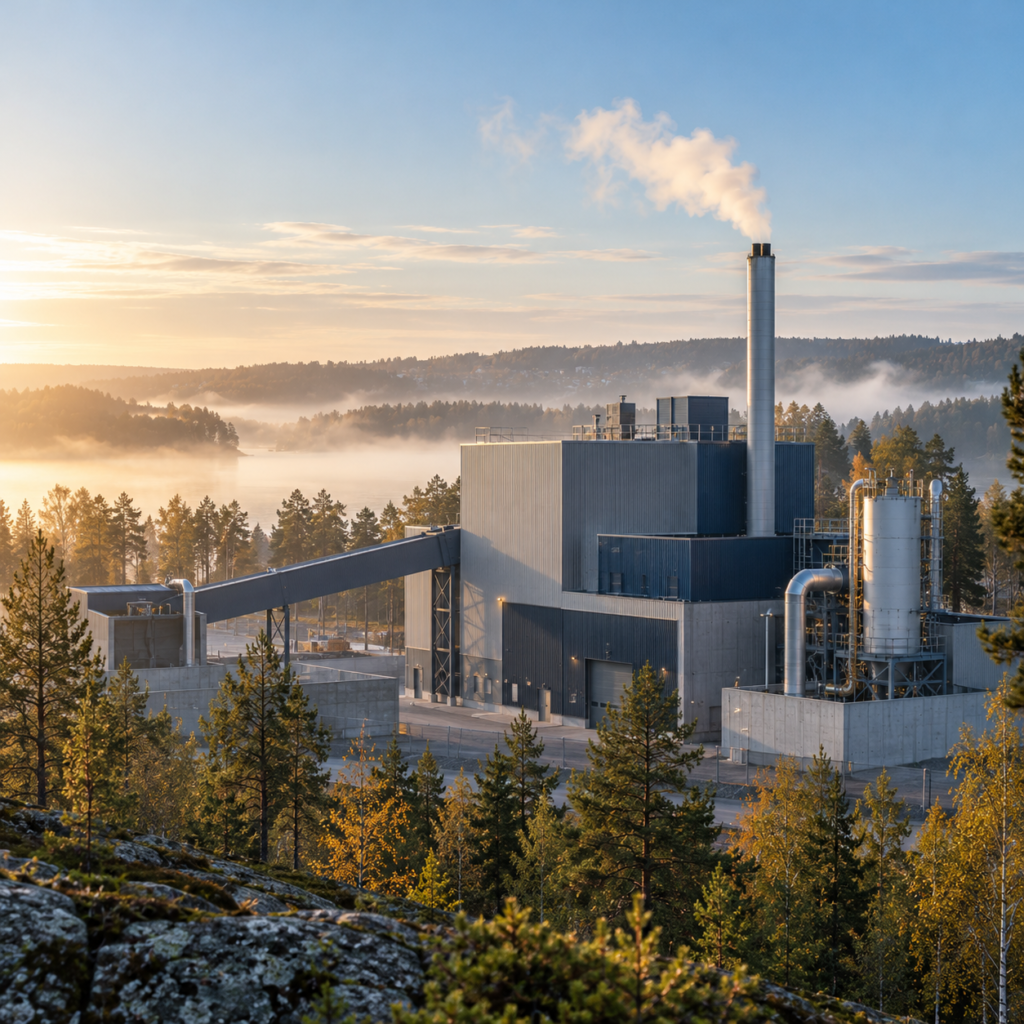
Waste to energy
The challenge
Plants in the waste-to-energy sector are small, with low potential for major refurbishment because they need a minimum distance to towns. There is also limited excess steam, and moderately acidic conditions can be challenging for conventional technology.
Our answer
Aqualung Carbon Capture’s advantages are well placed to respond to these challenges, and we have attracted substantial customer interest from large companies in this segment. A pilot plant was deployed to Germany in Q2 2024.
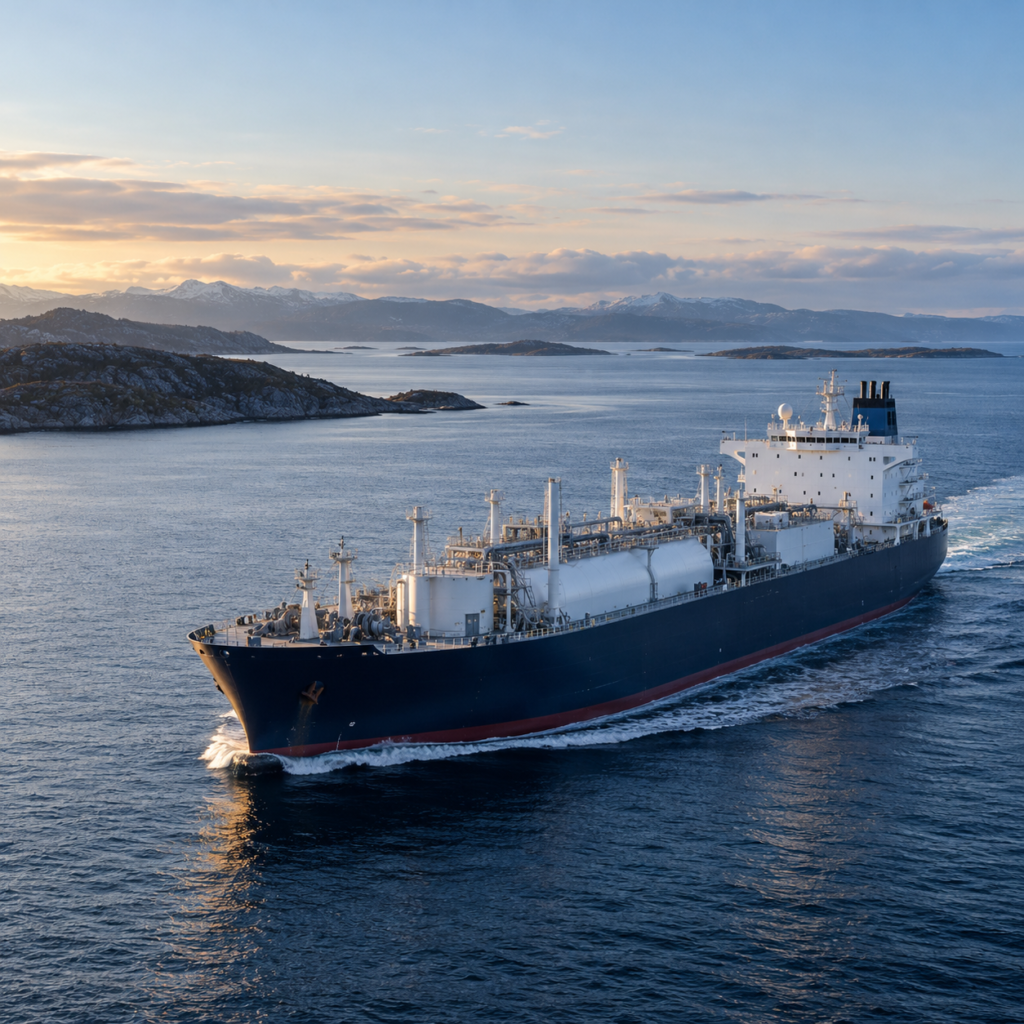
Shipping & offshore
The challenge
Customer assets have extremely limited space, and retrofitting is costly because ships cannot easily be taken off-hire for longer than scheduled docking. Rival technology is unlikely to be technically viable due to ship movements.
Our answer
Aqualung Carbon Capture will deploy a prefabricated product to this market that minimizes retrofit time and cost, and provides attractive, scalable carbon capture (from ETSI compliance up to 90%).
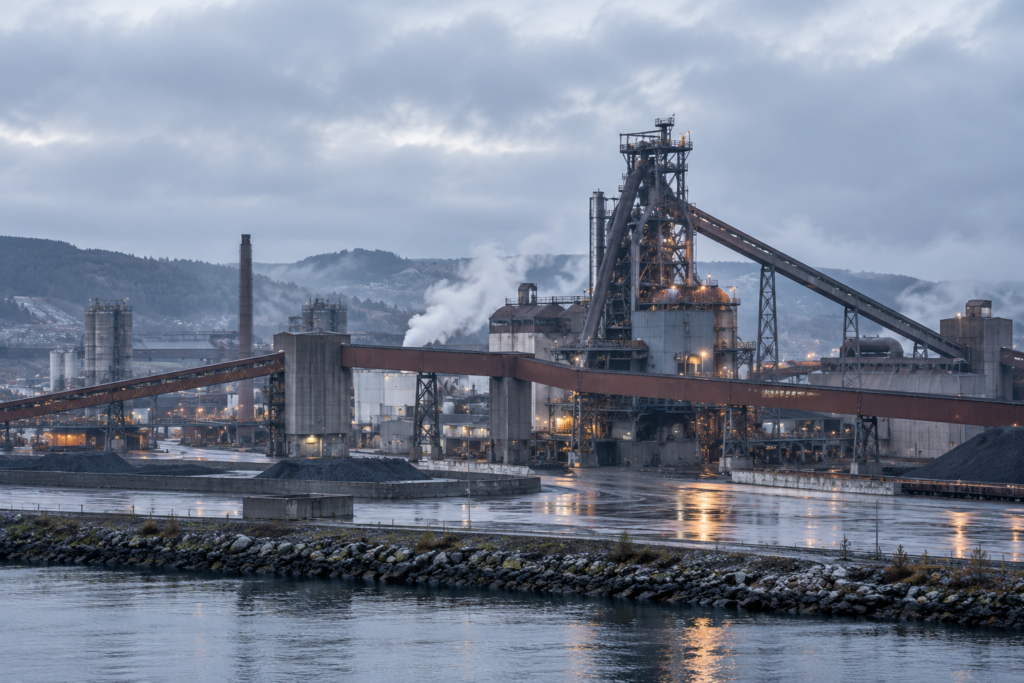
Steel & coal
The challenge
A high CO₂ concentration profile (12–19% CO₂) makes steel and coal facilities ideal for CO₂ capture projects. However, these facilities have been maximizing waste heat for decades, leaving little excess heat for traditional CO₂ capture technologies.
Our answer
Aqualung Carbon Capture’s solution answers this problem, while also providing a compact footprint for industrial sites with multiple emission sources.